

If you’re dealing with chronic bloating, persistent constipation, or stubborn weight gain, you may have been told it’s SIBO. But there’s a subtype of this condition that often flies under the radar – one that’s more tenacious, more resistant to treatment, and involves a different kind of microbe altogether. It’s called Intestinal Methanogen Overgrowth (IMO).
While traditionally referred to as “methane SIBO,” we now know this methane-driven condition deserves its own category – and understanding the distinction is vital to achieving lasting relief.
SIBO vs IMO: What’s the Difference?
SIBO stands for Small Intestinal Bacterial Overgrowth, and it typically involves an overgrowth of hydrogen-producing bacteria in the small intestine. But when methane shows up on a breath test, it points to something entirely different – not bacteria, but archaea.
Archaea are a distinct group of single-celled organisms that are structurally and functionally different from bacteria. The dominant methane producer in the gut, Methanobrevibacter smithii, consumes hydrogen and produces methane – and it’s this methane that slows down your gut motility and leads to constipation.
Another important distinction? IMO isn’t limited to the small intestine. These methane-producing microbes can also colonise the large intestine, making them harder to reach and more stubborn to shift.
Why Methane Matters
Methane isn’t just a byproduct – it’s a powerful disruptor of gut function. High levels of methane gas are strongly associated with:
- Chronic constipation
- Slowed transit time
- Bloating and distension
- In some cases, difficulty losing weight or even unexplained weight gain
Methane actually acts on the smooth muscle of the intestines, impairing normal peristalsis. The result? Food moves more slowly, fermentation increases, and symptoms become cyclical.
How Do Methanogens Overgrow?
Methanogens thrive in low-oxygen environments and feed off hydrogen produced by other gut microbes. They don’t feed on carbohydrates directly – instead, they rely on hydrogen-producing bacteria (including the “good guys”) to do that for them.
Overgrowth can occur when:
- Gut motility is impaired – for example, after food poisoning, surgery, or due to nervous system dysfunction
- Stomach acid is low, allowing microbes from the mouth to travel further down
- The ileocecal valve malfunctions, letting organisms migrate from the colon into the small intestine
Other contributing factors can include hypothyroidism, chronic infections, medications, stress, or structural gut issues like Ehlers-Danlos Syndrome.
Spotting IMO: The Symptom Profile
While symptoms can overlap with hydrogen-dominant SIBO, IMO tends to present a little differently. Hallmark signs include:
- Chronic constipation that doesn’t improve with fibre
- Persistent bloating – often lasting all day
- Sluggish digestion or feeling full quickly
- Flatulence or cramping
- Bad breath despite good hygiene
- Resistance to fat loss, particularly in the abdominal area
Testing for IMO
The lactulose breath test remains the most accessible tool for diagnosis. If methane levels rise above 10 ppm, especially early in the test, IMO is suspected.
However, to treat effectively, we also need to assess the broader microbiome picture. Comprehensive stool testing can identify:
- Underlying infections (parasites, yeasts, pathogenic bacteria)
- Levels of beneficial flora
- Digestive capacity (enzymes, bile flow, stomach acid)
- Signs of inflammation or immune dysregulation
This helps tailor a treatment plan that goes beyond methane suppression and supports overall gut resilience. The Complete Microbiome test (stool test) will also pick up if you have higher than desirable levels of methanobrevibacter smithii. N.B Learn more about or order this test from our online store.
Natural Treatment Considerations for IMO
Treating IMO is more complex than standard SIBO protocols. These organisms are extremely resilient, and successful treatment usually involves a multi-pronged, staged approach.
1. Diet: Balancing Fibre and Fermentation
Low-FODMAP diets may reduce hydrogen and help symptomatically, but they can also worsen constipation over time. Instead of extreme restriction, we focus on:
- Polyphenol-rich foods (green tea, berries, herbs) to reduce methane
- Select fibres like partially hydrolysed guar gum (PHGG) that improve motility without fuelling overgrowth
- Avoiding excess animal fat and protein, which may increase gut inflammation in sensitive individuals
2. Herbal Antimicrobial Support
Natural compounds shown to reduce methane include:
- Allicin (from garlic) – potent and specific to M. smithii
- Oregano oil – broad antimicrobial with some archaea activity
- Neem – traditional herb with emerging research for methane control
These herbs are often used in combination and rotation to minimise resistance and cover the full spectrum of organisms involved. Addressing biofilms is also essential, as archaea often hide within these protective layers.
3. Supporting Detox and Elimination
As microbes die off, they release toxins. Support for liver detoxification and regular elimination is vital.
This may include:
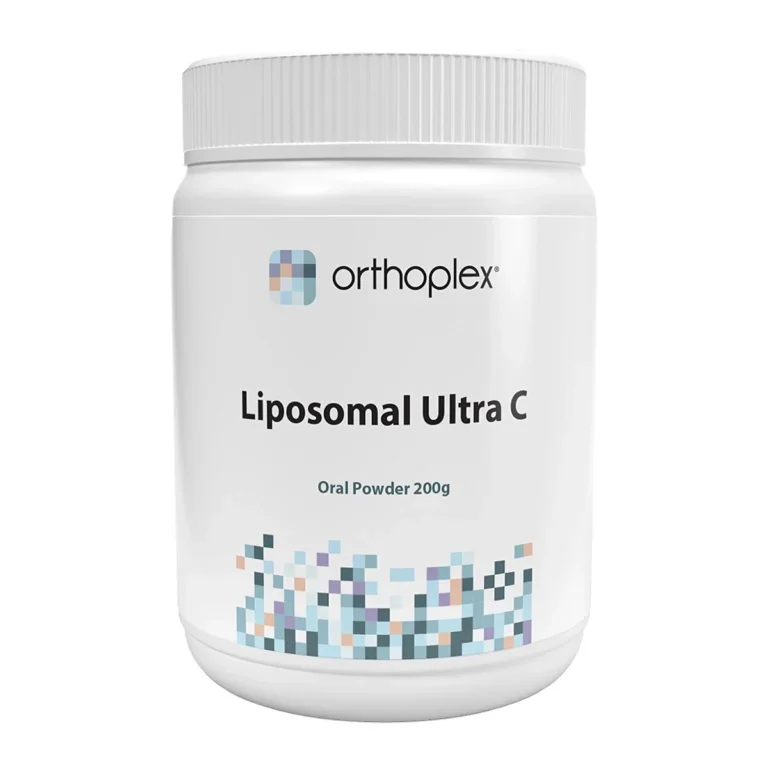
- Vitamin C and magnesium for gentle bowel movements
- Digestive enzymes, bitters, or betaine HCl if low stomach acid or sluggish digestion is identified
- Bile support (like taurine or lecithin) if fat digestion is impaired
4. Microbiome Restoration
Once archaea have been reduced, the focus shifts to nurturing a healthy microbial community that can keep them in check.
- Prebiotics like PHGG and acacia fibre are introduced gradually
- Probiotics with strain-specific benefits are chosen carefully. For example:
- Lactobacillus reuteri 17938 – may help reduce methane
- Bifidobacterium lactis HN019 – supports motility
- Avoid strains like B. infantis 35624, which may increase methane in some people
5. Long-Term Strategy
Once symptoms improve, maintenance is crucial. Preventing relapse involves:
- Reintroducing a diverse, fibre-rich diet over time
- Monitoring gut motility and transit time
- Identifying and addressing underlying causes (e.g. vagus nerve dysfunction, stress, structural gut issues)
- Continuing targeted probiotic and prebiotic support as needed
Final Thoughts
Understanding the difference between SIBO and IMO can transform how we approach chronic gut issues. If methane is driving your symptoms, you’re not just dealing with bacteria – you’re dealing with archaea, and that changes everything.
With a thorough assessment and a tailored treatment plan that respects the complexity of your gut ecosystem, it is absolutely possible to reclaim your digestive health and move beyond the cycle of bloating, constipation, and discomfort.
If you have questions, please email us or book in for a free 15minute consultation to discuss, what would be your next best steps.
If you are fed up with your symptoms and ready to go in for a deep dive and heal your gut then check out Kylie’s: Complete Gut Healing Package. You will find this on the Gut Healing Formula page.
This gives you one on one support with Kylie, stool testing, dietary and nutritional protocols, all appointments can be done from the comfort of your own home via telehealth.
Naturopathic Services

Hormonal Support
Herbs, nutrition and lifestyle changes all help you overcome your hormone imbalances. Period pain, endometriosis, PCOS, fibroids and menopause can all be improved with the right treatment plan.

General Health
Natural medicine offers support for all ages from babies to the elderly, treating ageing, acne, autoimmune, gut health, weight loss and lots more.

Fertility Solutions
Preconception care enables you to reset your body and overcome unexplained infertility, miscarriage, PCOS, endometriosis, ageing eggs & improve sperm quality.





Kylie Armstrong
is a Medical Herbalist and Director of Tonic Natural Health in Newcastle, with 30 years of experience in the health industry and a Bachelor of Health Science in Complementary Medicine. Kylie’s focus is to find the drivers to people’s health concerns with the use of functional testing, including DNA analysis. She uses nutritional and herbal medicine along with lifestyle strategies to help people achieve their health goals. Her warm, practical approach helps clients better understand their bodies, address underlying contributors to health concerns, and build a foundation for lasting wellbeing.