

Bloating can be embarrassing and irritating at the same time. When you feel like you are eating well, and exercising doing all the right things, bloating can be incredibly frustrating.
In this article, I will show you how to get rid of bloating for good with dietary changes and natural remedies. The good thing about this issue is that it is often easily treated, but first, you need to know what causes your bloating, so you know what to get rid of.
The Many Causes of Bloating
You’re not alone if you find you are bloated after eating certain foods, but there is a way to treat it. Here are some common causes of bloating and how you can reduce them:
FODMAPS
FODMAPS are short for “Fermentable Oligosaccharides Disaccharides Monosaccharides and Polyols.” Eating these foods can cause you to feel bloated or full because they are poorly absorbed in your small intestine.
The high-fibre content of foods which are high in FODMAPs means that they come with a lot of water, which leads to gas buildup in the stomach. Eating a meal with lots of FODMAPs makes your stomach feel full very quickly.
You’ll find that there are lots of different types of FODMAPs out there. Some are found in fruits and vegetables, while others are only found in dairy products like yogurt or cheese. But worry less! You don’t need to avoid all fruits or all dairy products if you want to keep bloating at bay. The best way to reduce bloating from foods high in FODMAPs is to eliminate these foods and then slowly reintroduce them. Monash University has created a great App you can use to become aware of which foods are high in FODMAPs.
Constipation
Constipation is when you have irregular bowel movements resulting in bloating and gas.
Constipation is one of the most common causes of bloating, affecting almost every adult at some point in their lifetime.
When you don’t have enough movement (AKA peristalsis) of stool through your digestive system, the stool becomes trapped in the large intestine. Stool that stays in this area for a long time may become hard or compacted, blocking the flow of waste out of your body and causing bloating and pain after eating meals. This also causes excess gas in your digestive system because bacteria have already fermented your bowels contents. The first step to treating constipation is to ensure that you are drinking plenty of water and eating enough fibre-rich food. The next step is to look at food intolerances, we can do this by doing a food detective test in clinic or sending off your blood sample to an independent laboratory.
Parasites
Parasites live in or on another organism. They are prevalent in the environment, and some of the most common parasites include tapeworms, roundworms, and hookworms.
Parasites can be transmitted through contaminated food or water, so you may be at risk if you don’t always follow proper hygiene standards when preparing foods at home. Parasites can also be found in animals we eat, such as raw fish, pork or beef (if they’ve been contaminated). If you have symptoms and experienced illness whilst travelling overseas, chances are that you may have a parasite.
In some cases, parasites cause bloating; this is called intestinal hyperpermeability/ intestinal permeability) for short. This condition occurs when your gut lining becomes too porous and lets small toxins into your bloodstream instead of keeping them out where they belong. When these toxins enter your bloodstream through the leaky gut barrier, it provokes an immune response from your body, leading to inflammation in many systems, including the digestive system.
SIBO
SIBO is a bacterial overgrowth in your small intestine. The bacteria, in the form of a gut microbiome, is usually in the large intestine and very little in the small intestines. Since the small intestine cannot handle many bacteria, gastric secretions and food movement prevent them from growing in large quantities. However, the bacteria multiply in cases where this process functions poorly. You can naturally get rid of SIBO by following a particular dietary protocol, using herbal remedies and once the bad bacteria is eliminated then we focus on improving your gut health further with mucilaginous herbs and probiotics.
Hormone Imbalances
Hormones are chemicals that control how specific organs and tissues in your body work. Both, low progesterone and high estrogen, can lead to bloating. When they go off balance you will notice bloating, mostly premenstrual bloating.
Hormone imbalances can be caused by stress, gut issues, liver congestion, lifestyle factors, weight issues or diet changes.
If you have a hormone imbalance, it is important to get treatment so as to avoid serious health problems. We have many natural medicines that can help with the symptoms of an underactive thyroid gland, endometriosis, adenomyosis, amenorrhea, infertility and polycystic ovary syndrome (PCOS).
Food Intolerances
Food intolerance happens when your body has difficulty digesting some types of food. Sometimes you may have an adverse physical reaction around such foods. Some food intolerance includes:
- Lactose intolerance is the inability to digest milk sugar (lactose).
- Gluten intolerance occurs when you cannot digest a protein in wheat, rye, spelt and barley.
- Sugar intolerance may be caused by fructose malabsorption where your intestines cannot absorb some types of sugar in food.
It is possible to heal your food intolerances by avoiding problematic food and healing your gut.
Coeliac Disease
Coeliac disease is an autoimmune disorder that occurs when a protein (gluten) in wheat, barley, spelt and rye causes your body to attack its tissue. If you have coeliac disease, eating foods containing gluten can cause gut damage, hence making it difficult to take in nutrients.
If you have coeliac disease, following a gluten-free diet is essential to avoid long-term complications such as osteoporosis and anemia.
Microbiome Imbalance
A healthy gut microbiome is essential for proper digestion and nutrient absorption. Sometimes the condition maybe linked to autoimmune diseases like inflammatory bowel disease (IBD) and irritable bowel syndrome (IBS).
When things go awry in your gut, it may be due to a high intake of simple carbohydrates, fat and protein and a low intake of a plant-based diet. Such imbalances decrease microbiome diversity, leading to bloating.
Stress
A rise in stress and anxiety activates the limbic system. An activated limbic system means the adrenal glands release the hormone cortisol. As a result, cortisol alters metabolism, so the energy produced can help you escape the threat. It also increases the respiratory and heart rate, so that there is more oxygen for the escape.
However, cortisol causes negative impacts on the gut. This fight response disrupts the gut microbiome. As your brain interprets, this threat calls for blood diverting from the digestion system, pausing the entire digestion process. It’s with improper digestion that bloating gets its way.
If you’re feeling stressed let us know and we can help with herbal, nutritional and lifestyle support. Firstly you may like to start with some exercise and meditation.
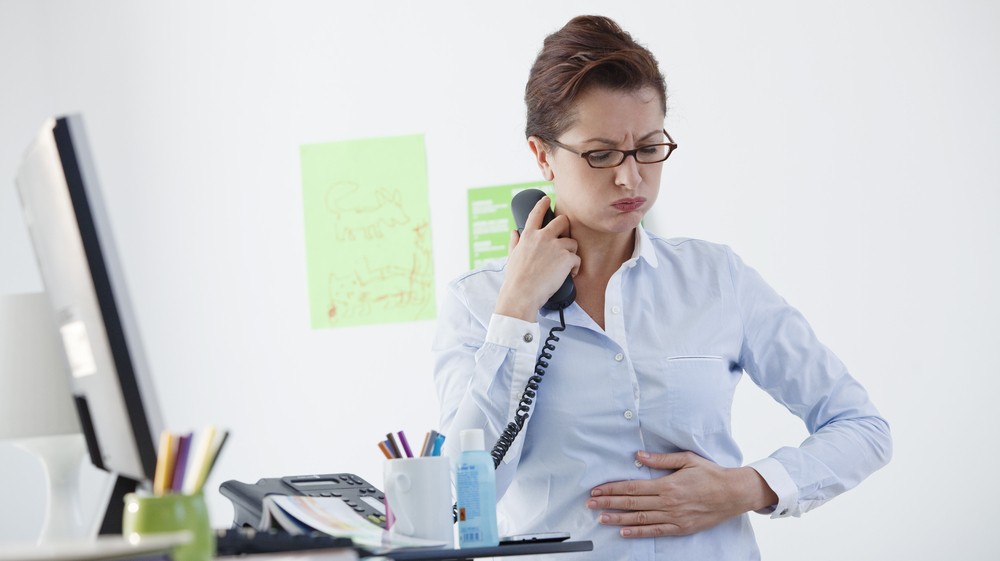
How to Test For the cause of your bloating
Once your Naturopath has completed a comprehensive initial consultation with you, they will be able to determine which dietary and lifestyle changes will be of benefit for you and may also choose to run some further stool, saliva or blood testing if needed.
FODMAPS Elimination Diet
The best way to discover FODMAPS is through an elimination diet. This entails avoiding food rich in FODMAPS that irritate your gut. They include dairy, wheat, beans, lentils, and some vegetables like garlic, onions, and artichokes. For a complete list, email us, we are happy to send you one.
Parasites: Stool Analysis
The parasite test determines if your stool sample has parasites and eggs present. Though the absence of the infestation is no guarantee, several specimens will minimize false results. Three stool tests is recommendable for confirmation.
SIBO: Breath Test
This test will measure your breath’s hydrogen or methane level. High levels of hydrogen or methane indicate your small intestines have bacteria overgrowth.
Hormone Imbalances: Blood Tests or Dutch Tests
Dutch test involves placing urine on a filter paper to measure hormone metabolites. Dutch testing provides a picture of the hormone levels to identify the hormonal imbalance symptoms quickly. Blood tests are also effective, like the dutch test, but mainly used for testing cortisol, testosterone, estrogen, progesterone and thyroid hormones.
Food Intolerances
A little blood from your finger is put on a panel with various food components. What is tested is the total immunoglobulin G (IgG) antibody degree that binds to each food. It is then quantified through fluorescence- or enzyme-linked immunosorbent assays.
Coeliac Disease: Blood Test and Gene Test
Blood tests look out for antibodies that cause gluten-sensitive conditions. Gene test mostly looks for HLA DQ8 and HLA DQ2, since most people affected by coeliac have these or parts of these genes.
Microbiome Imbalance: Stool Test and Microbiome Testing
Microbiome testing measures the level of microbes like viruses and bacteria in the gut through a stool sample. It is suitable to identify the types of bacteria in the GI tract from here we can determine what your body is lacking.
Stress: Cortisol Levels
When testing for low energy due to stress, we may decide to test for cortisol levels. This can be done by either blood or saliva testing.
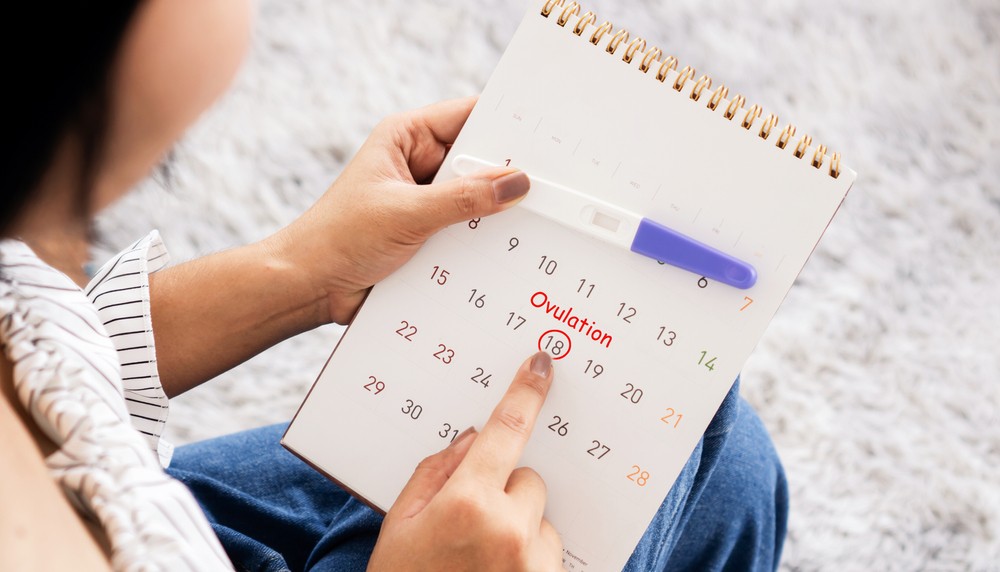
Why Do I have Bloating During Ovulation?
In addition to the usual signs of ovulation, many women experience bloating during this ovulation.
Bloating is the result of water retention in your body, which is can be caused by the hormonal imbalance that occurs during ovulation. Prostaglandins are hormones responsible for ovulation control.
Poor food choices and food intolerance result in inflammation in the digestive system. The prostaglandins imbalance will increase the inflammation making the situation even worse. It can be uncomfortable, but fixable.
Say No to Sodium!
It’s that time of the month again; hopefully, you’re not feeling too bloated. If you are, cut back on your sodium intake.
Why? Because when you’re ovulating, your estrogen levels are peaking. And when estrogen levels are high, they can cause water retention, leading to bloating. Sodium is one of the most common causes of water retention, so if you avoid it in your diet, you’ll be able to eliminate some of the extra fluid that causes bloating.
So next time you feel puffy during ovulation, try eating more fruits and veggies instead of salty snacks.
References:
- https://aboutibs.org/treatment/ibs-diet/low-fodmap-diet/effects-of-fodmaps-on-the-gut/#:~:text=FODMAPs%20are%20also%20rapidly%20fermented,wall%20of%20the%20bowel%20contract
- https://www.google.com/search?q=how+Constipation+causes+bloating&oq=how+Constipation+causes+bloating&aqs=chrome..69i57.1034j0j9
- https://www.westchesterhealth.com/blog/10-signs-you-may-have-a-parasite-2/
- https://www.medicalnewstoday.com/articles/324475
- https://herkare.com/blog/hormone-replacement-treatment-may-reduce-bloating/#:~:text=High%20estrogen%20and%20low%20progesterone,the%20cause%20of%20perimenopausal%20bloating.
- https://www.nhs.uk/conditions/food-intolerance/#:~:text=A%20food%20intolerance%20is%20difficulty,hours%20after%20eating%20the%20food.
- https://ibsguthealthclinic.co.uk/stress-can-cause-bloating/
- https://nutritionstudies.org/why-your-microbiome-may-be-to-blame-for-your-bloating-5-tips-for-gut-balance/
- https://www.nhs.uk/conditions/coeliac-disease/#:~:text=Coeliac%20disease%20is%20a%20condition,diarrhoea%2C%20abdominal%20pain%20and%20bloating.
- https://www.mayoclinic.org/diseases-conditions/small-intestinal-bacterial-overgrowth/diagnosis-treatment/drc-20370172
- https://www.medicalnewstoday.com/articles/microbiome-testing#what-they-are
- https://www.ncbi.nlm.nih.gov/pmc/articles/PMC6371989/#:~:text=Average%20cortisol%20level%20was%20found,an%20increase%20supporting%20this%20increase.
- https://intersono-ivf.com/severe-bloating#:~:text=The%20primary%20cause%20of%20ovulation,changes%20is%20bloating%20during%20ovulation.
Naturopathic Services
Hormonal Support
Herbs, nutrition and lifestyle changes all help you overcome your hormone imbalances. Period pain, endometriosis, PCOS, fibroids and menopause can all be improved with the right treatment plan.

General Health
Natural medicine offers support for all ages from babies to the elderly, treating ageing, acne, autoimmune, gut health, weight loss and lots more.

Fertility Solutions
Preconception care enables you to reset your body and overcome unexplained infertility, miscarriage, PCOS, endometriosis, ageing eggs & improve sperm quality.

Kylie Armstrong
is a Medical Herbalist and Director of Tonic Natural Health in Newcastle, with 30 years of experience in the health industry and a Bachelor of Health Science in Complementary Medicine. Kylie’s focus is to find the drivers to people’s health concerns with the use of functional testing, including DNA analysis. She uses nutritional and herbal medicine along with lifestyle strategies to help people achieve their health goals. Her warm, practical approach helps clients better understand their bodies, address underlying contributors to health concerns, and build a foundation for lasting wellbeing.