

I am not sure why, but women often suffer from vaginal dryness/atrophy for far too long before asking for help, thus I felt the need to write this blog and encourage you to take action at the first sign of symptoms!
There is a thin moisture layer that coats your vagina’s walls. The moisture helps to give your vagina an alkaline environment that sperm can both survive in and use to travel for reproduction. The secretions also help to lubricate your vaginal walls, and this can reduce friction during intercourse.
As women start to age, hormone production changes, which can cause their vaginal walls to thin out. Thinner walls mean that you have fewer moisture-secreting cells available, and this can lead to vaginal dryness. The most common cause of vaginal dryness is hormones, so it’s a common symptom of perimenopause and menopause. However, hormones aren’t the only cause.
Vaginal Dryness Effects
If you have vaginal dryness, this can lead to discomfort in your pelvic regions or in the vagina. It can also cause a host of problems, including but not limited to:
- Burning
- Light bleeding after intercourse
- Loss of sexual interest
- Pain with intercourse
- Soreness
- UTIs that reoccur or that don’t go away
- Vaginal stinging or itching
This can be a large source of embarrassment for a person, and it can prevent many women from bringing up their symptoms with their partner or gynecologist. However, it’s a very common condition.
What Causes Vaginal Dryness?
The biggest cause of vaginal dryness is oestrogen levels that start to decline. Women will begin to naturally produce less oestrogen as they start to age. This will eventually lead to the end of menstruation, and it takes place during perimenopause. There are other conditions that can cause this issue too, including:
- Breastfeeding
- Childbirth
- Depression
- Excess stress levels
- Immune system disorders
- Rigorous exercise
- Smoking cigarettes
- Some cancer treatments like chemotherapy or hormone therapy
- Surgical ovary removal
There are also some medications that can reduce your body’s secretions. Douching can cause irritation and dryness, and there are also some lotions or creams that can cause issues when you apply them to your vaginal area.
Common Vaginal Atrophy Symptoms
There are several symptoms of vaginal atrophy or dryness that you should be aware of. You may experience some, all, or none of these symptoms. They vary from woman to woman, and the severity levels can also fluctuate. The most common symptoms include:
- Burning sensation when you urinate
- Decreased vaginal lubrication during intercourse
- Discomfort with intercourse
- Frequent urination
- Genital itching
- Light bleeding after intercourse
- Recurrent urinary tract infections
- Tightening and shortening of the vaginal canal
- Urgency with urination
- Urinary incontinence
- Vaginal burning
- Vaginal discharge
- Vaginal dryness
Diagnosing Vaginal Dryness
There are a few ways that your primary care doctor or your gynecologist may diagnose vaginal atrophy. First, they may ask you a host of questions relating to your symptoms. However, there are three main ways they diagnose this problem, and they are:
- Acid Balance Test – An Acid Balance Test involves getting a small sample of your vaginal fluids. The tech will take this sample and test it, or they can put a paper indicator strip into your vagina to find out the acid balance.
- Pelvic Exam – During this exam, your doctor will feel your pelvic organs. They’ll also perform a visual exam of your vagina, external genitalia, and cervix.
- Urine Test – You’ll have to give your doctor a urine sample for them to test. This is common if you have urinary symptoms.
Vaginal Dryness Treatment
You have several options available when it comes to vaginal dryness treatment. There are non-hormone remedies available as well as different low-dose estrogen remedies that you apply directly to your vagina. You can combine them for maximum relief. Diet will also play a role.
Diet
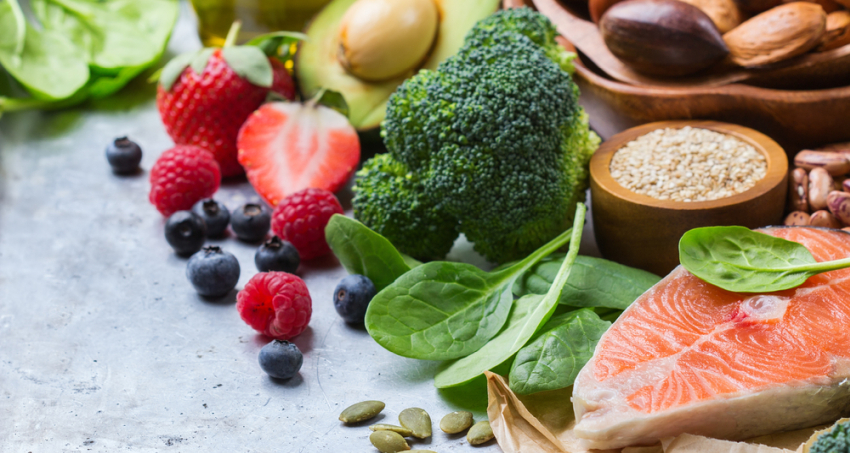
If you add fatty acids to your diet, it can help produce more vaginal lubrication. Sesame seeds, raw pumpkin, fish, and sunflower seeds all have high fatty acid content. For fish, it’s especially true for tuna, salmon, and mackerel because they have high levels of omega-3s. You can also choose to take vitamin B or vitamin A supplements with beta-carotene because they have high levels of fatty acids.
Another option is to increase the phytoestrogen content in your diet. You can do so by adding or increasing the amount of tofu, soybeans, flaxseed, tempeh, sesame seeds, soy beverages, berries, wheat, barley, oats, dried lentils, beans, alfalfa, rice, mung beans, carrots, apples, rice bran, wheat germ, or soy linseed bread in your diet.
Supplements
There are supplements you can add to your diet to decrease your vaginal dryness too. You may cycle through a few before you find the ones that work best for your situation. The most popular supplements to increase lubrication levels are:
Vitamins E and A
Vitamin E is a disease-fighting antioxidant that is also a water-soluble vitamin. One study took 52 women and had them use a vitamin E suppository over the course of a 12-week trial and found that it was able to improve vaginal atrophy symptoms. There are other supporting studies that show incorporating vitamins A and D with hyaluronic acid could improve vaginal dryness.
Hyaluronic Acid
This is a molecule that your body produces and plays a vital role in aging and skin health. It’s common in cosmetics, but you can find OTC supplements too. One study showed that taking five milligrams of hyaluronic acid sodium salt improved vaginal dryness symptoms in 42 women. Additionally, there are topical gels and suppositories with this molecule that can increase vaginal lubrication.
Sea Buckthorn: MY CLIENTS FAVOURITE REMEDY
There is a high omega-7 oil content in Mongolian sea buckthorn oil, and there is a wide range of applications associated with it. It can help to support optimum mucosal integrity in your vagina. It works to nourish the mucous membranes in your digestive, urinary, and respiratory tracts as well as in your eyes. It has revitalising, skin nourishing, and restorative properties associated with it when you apply it topically and take it internally to help treat skin issues.
One study involving postmenopausal women who reported vaginal dryness showed that consuming three grams of sea buckthorn every day for 90 days has links to large improvements in the integrity level of vaginal tissue. Additionally, women who used the oil from sea buckthorn experienced marked vaginal elasticity and moisture level improvements over those who used placebos.
It plays a powerful role in other skin health aspects. It makes your skin feel fabulous by stimulating tissue regeneration, enhancing your wound healing capabilities, and increasing your collagen levels. Collagen is a structural protein that lends elasticity and strength to your skin.
Non-Hormonal Treatments
In addition to these vaginal dryness treatments, you do have the option of using non-hormonal treatments. Your doctor can discuss them with you and whether or not they’re appropriate. They include:
- Dilators – A dilator can enlarge or stretch your vagina if you experience involuntary tightening or if it becomes too narrow or short. This can prevent pain during intercourse. You can buy and use these dilators under the supervision of a gynecologist, sex therapist or physical therapist. Your supporting muscles can grow weak without use.
- Expanding Your Views – There are other options you can partake in outside of traditional penetrative intercourse. They include mutual masturbation, extended caressing and massage to help you stay sexually intimate.
- Lubricant – Applying lubricants can reduce your discomfort when you have intercourse by helping to decrease friction levels. It’s a good idea to use silicone or water-soluble products because oil-based lubricants can cause irritation. There are several reputable brands available without a prescription. Please ladies avoid using coconut oil as its Ph level is not good for the vagina.
- Moisturiser – You can apply moisturizers several times a week before you go to bed to help increase your moisture levels and maintain them.
- Pelvic Floor Exercises – These are exercises you can perform that specifically target any weak muscles you have in your vagina. They also work to relax tight muscles.
- Stimulation – Regular stimulation can help promote vaginal secretions and blood flow. You can do this alone, with a partner, or with a device like a vibrator.
Pharmaceutical Oestrogen Therapy
You can get government-approved low-dose estrogen products through a prescription in the form of vaginal cream. You’ll typically use it two or three nights a week. There is also an estradiol vaginal ring that you change every three months or a vaginal estradiol tablet that you use twice a week.
You can use standard doses of estrogen therapy to help treat vaginal dryness and hot flashes, but some women will do better with the low-dose option. If you’re experiencing only vaginal symptoms, most doctors will recommend a low dose of estrogen that is applied straight to the vagina.
Before trying these options, I would suggest trying more natural remedies and encourage your body to find its balance naturally.
Book an Appointment at Tonic Natural Health to Discuss Vaginal Dryness Treatments
If you’re experiencing vaginal dryness, book an appointment with us. We’re happy to discuss your symptoms and help you find the best treatment method to help give you relief from your vaginal atrophy. We’ll also answer your questions and address any concerns you may have at the consultation.
Naturopathic Services
Hormonal Support
Herbs, nutrition and lifestyle changes all help you overcome your hormone imbalances. Period pain, endometriosis, PCOS, fibroids and menopause can all be improved with the right treatment plan.

General Health
Natural medicine offers support for all ages from babies to the elderly, treating ageing, acne, autoimmune, gut health, weight loss and lots more.

Fertility Solutions
Preconception care enables you to reset your body and overcome unexplained infertility, miscarriage, PCOS, endometriosis, ageing eggs & improve sperm quality.

Kylie Armstrong
is a Medical Herbalist and Director of Tonic Natural Health in Newcastle, with 30 years of experience in the health industry and a Bachelor of Health Science in Complementary Medicine. Kylie’s focus is to find the drivers to people’s health concerns with the use of functional testing, including DNA analysis. She uses nutritional and herbal medicine along with lifestyle strategies to help people achieve their health goals. Her warm, practical approach helps clients better understand their bodies, address underlying contributors to health concerns, and build a foundation for lasting wellbeing.