

When you’re in your 40s, you may find yourself waking up at night in a sweat, and your periods may start to vary in blood loss and become erratic i.e you may have more/less frequent cycles . Chances are, this is perimenopause. Almost all women will experience a host of different symptoms as their hormones start to shift and fluctuate during the time leading up to their menopause transition.
Eventually your period will stop all together, Menopause occurs at this point, but perimenopause is an extended state of transition prior to menopause. How does one prepare for menopause and make a smooth, easy transition? Let me break it down for you.
Defining Perimenopause
Peri is Greek for “near” or “around”. There are various definitions of this transitional phase, but most experts agree that it all starts with irregular cycles because your ovarian function is on the decline.
It can vary widely from one woman to the next, and it usually lasts between four to six years. However, perimenopause can last up to a decade, but some women will have it for only a few months. Some women will experience heavy periods and be plagued with hot flushes while others have no or very light symptoms.
You may menstruate erratically for years or have an abrupt end to your period. Fortunately, reproductive aging knowledge has grown over the years, so you have more options when it comes to preparing for menopause and tolerating the symptoms of perimenopause.
Taking Care of Your Health During Transition Menopause
No matter if you have very few symptoms or if you are someone plagued by constant symptoms, it’s essential that you support your health. This stage of your reproductive life when the production of both oestrogen and progesterone starts to drop, and this will disrupt your body’s cyclical patterns.
Declining levels of these hormones can have an impact on your metabolism, and this can cause you to gain weight. They can also impact how your body digests carbohydrates and your cholesterol levels. Another big issue is that declining oestrogen can cause your bone density levels to decline, and this puts you at a greater risk for fractures if you don’t address it.
Prevention is better than cure in most instances, especially when you start preparing for menopause. There are a few steps you can take to stay healthy during this time, and a lot of them centre around your diet. They include but are not limited to:
- Starting a hormone-free diet by ensuring that all meats consumed are organic and fish are wild caught
- Eating whole foods-organic wherever possible
- Learning to eat for your hormonal issues and body type
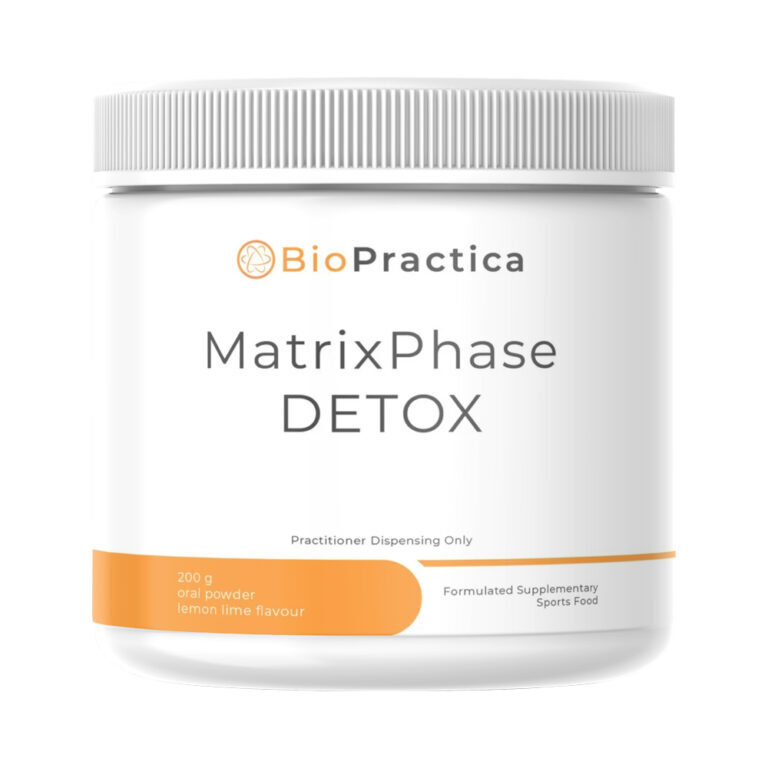
It’s important to note that there isn’t one diet that is ideal for anyone. However, all women can benefit from following a full body detox protocol for three weeks before starting a new diet. This detox protocol will help clear out toxins, take a load off your liver, and support your adrenals. When it comes to hormonal health, your liver is important because it synthesises hormones.
How to Start a Body Detox
To start the detox off right, start fueling your body with the correct micronutrients. Since there are dozens and dozens available, we’re going to break down the ones that are arguably the biggest micronutrients to concentrate on during your transition menopause. They include:
Magnesium
Magnesium is responsible for supporting your bones, healthy hormone levels, and mood regulation, and it has a hand in thousands of your body’s biochemical reactions. It can also potentially help reduce your perimenopause and menopause symptoms.
If you have magnesium deficiency, you have a higher chance of developing osteoporosis because magnesium has an important role to play in bone matrix and cartilage calcification. This process helps strengthen your bones. This deficiency also has links to lower vitamin D and parathyroid hormone activity, and you need both of these for bone development.
DIM
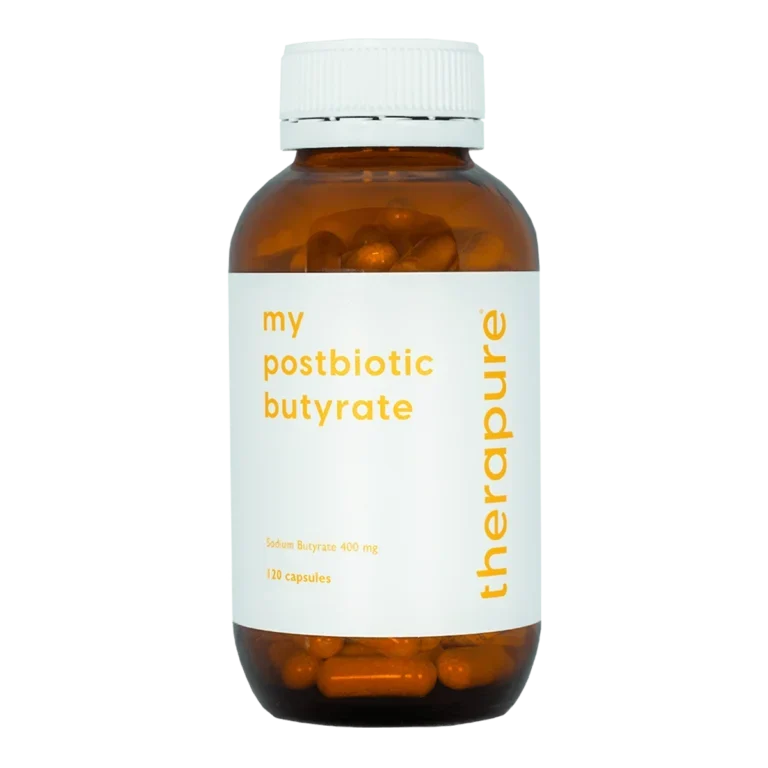
DIM is short for diindolylmethane, a compound that comes from digesting cruciferous vegetables. It can impact your body’s natural oestrogen levels and bolster them during perimenopause. In turn, this can help reduce symptoms like hot flashes.
DIM is not easy to find in supplements, but we do have it in our Vege Detox capsules.
Probiotics
Probiotics can help you reduce the number of calories your body absorbs when you eat, and this can help with weight gain and bloat, which are common during perimenopause. They can also make your body more effective at processing nutrients and sugars, and this can help you address weight imbalances. Probiotic 50, is a high strength multistrain probioitic with 50 billion probiotics, covering all areas of immune and gut health.
Fish Oil
During perimenopause, you’ll have higher triglyceride concentrations. This increases your risk of developing coronary heart disease. Fish oil comes loaded with omega-3 fatty acids, which have a triglyceride-lowering effect to help reduce your risks of cardiovascular problems. If you are considering adding fish oils to your supplement regime ensure that they are free from all the nasties that are found in our fish and oceans today. A safe and easy to take a supplement is Ultra Clean Fish Oils.
Vitamin C
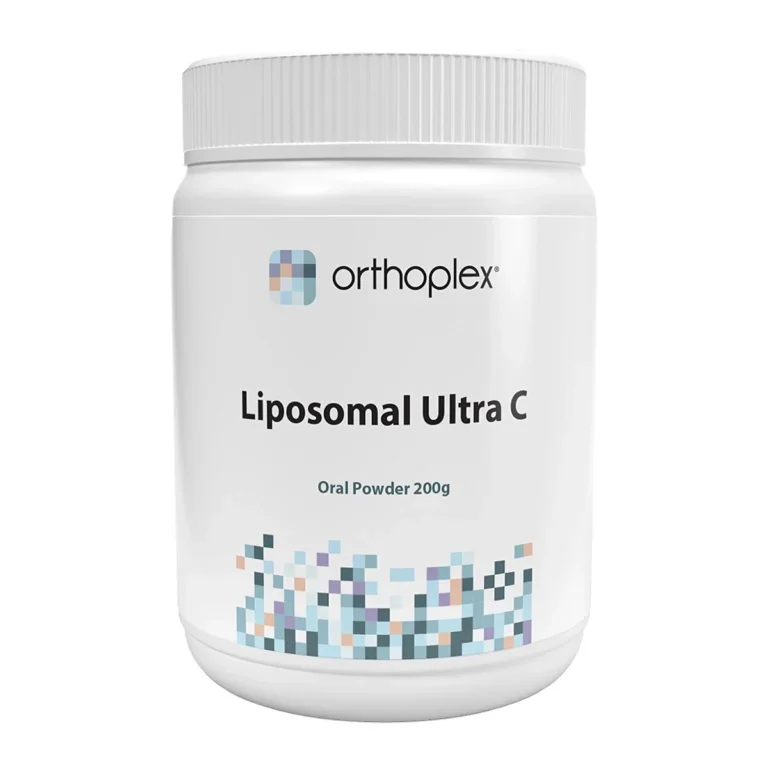
Vitamin C can help support your adrenals. In turn, you can effectively manage stress while boosting your body’s natural progesterone production. A study found that women who took vitamin C on a daily basis had a 77% increase in their progesterone levels.
Vitex
Better known Chaste Tree, this herbal remedy works by naturally balancing your body’s hormone levels, especially prolactin. This will help to rebalance your other hormones, including progesterone and oestrogen.
Wild Yam
This is a botanical that can impact your oestrogen levels. It can help mimic oestrogen’s effects on your body, and this can help women in perimenopause.
Peony (Peonia)
Part of preparing for menopause means that you prepare for mood swings, and peony can help with this because it has calming effects. Peony also has anti-inflammatory properties, and this can help reduce cramping that is associated with hormonal imbalances.
Shatavari
Shatavari has an ancient history of use for helping balance hormones and reduces the impact of PMS symptoms. It can be moistening and cooling and this can help keep you more comfortable overall.
Sage
Sage is a part of the mint family, and there are currently over 900 types of sage available. You can use it to help with hot flushes, night sweats, and mood swings. You can drink sage tea, consume it as a capsule, or use it as an essential oil.
As a Medical Herbalist, my favourite way of treating hormonal imbalances, is to blend a liquid herbal tonic with herbs specifically chosen to reduce a woman’s symptoms, prevent new symptoms and make perimenopause a smooth transitional time.
Learning Your Genetic Makeup When Preparing for Menopause
Along with managing your symptoms to smooth the transition, it’s also the perfect time to look at your genetic makeup. During your younger years, self-care may take a backseat to life. However, as the kids grow and you reach the end of your fertile years, you’ll have more time to focus on your health.
Learning about your genetic makeup will give you a good understanding of how your age influences your body functions. Structuring your healthcare program around your genetic makeup can help you make meaningful changes in your health.
One easy way to learn about your genetic makeup is to do a DNA mouth swab. You can do it either at home or in our office by making a booking, and it takes just 30 seconds from start to finish. It takes around five weeks to get your results at which time we will book a one-hour review. In this appointment done either via skype/phone or in clinic, I will help you to understand your genetic strengths and weaknesses and how to work toward preventing disease.
DUTCH Testing
Additionally, there is so much more available for hormone testing rather than just focusing on your oestrogen, progesterone, and thyroid hormone levels. The gold standard for this testing is the DUTCH test. It uses five saliva samples and four dried urine samples that you collect when you wake up and go to bed over a single day. This detailed report will include:
- Oestrogen Metabolites
- E1
- E2
- E3
- 2-OH-E1
- 4-OH-E1
- 16-OH-E1
- 2-methoxy-E1
- Androgens
- Testosterone
- DHT
- DHEA-S
- Progesterone
- Cortisol
- Melatonin
- 8-OHdG
- Neurotransmitter Metabolites
- HVA
- VMA
Additionally, you’ll also get the diurnal pattern of cortisol and free cortisol, including Cortisol Awakening. If you’d like to personalise the test, you can get a test form before getting a test kit sent to your home for you to perform whenever is convenient. When you get the results, we can work with you to come up with a tailored protocol to help you get the perfect hormone balance to make your transition menopause smooth and easy.
This test is included in all of my Herbal Hormonal Reset packages.
Book an Appointment at Tonic Natural Health Today
If you have questions about menopause or perimenopause and you’d like to know more about how diet or genetic testing can help you, we’re here to support you. It all starts by contacting us to book an appointment. We can discuss our various supplements, offer suggestions about which one is correct for your needs, offer general health and fertility solutions, testing and analysis, and more.
Our goal is to make your transition from perimenopause to menopause as smooth and as symptom free as possible.
Naturopathic Services

Hormonal Support
Herbs, nutrition and lifestyle changes all help you overcome your hormone imbalances. Period pain, endometriosis, PCOS, fibroids and menopause can all be improved with the right treatment plan.

General Health
Natural medicine offers support for all ages from babies to the elderly, treating ageing, acne, autoimmune, gut health, weight loss and lots more.

Fertility Solutions
Preconception care enables you to reset your body and overcome unexplained infertility, miscarriage, PCOS, endometriosis, ageing eggs & improve sperm quality.


Kylie Armstrong
is a Medical Herbalist and Director of Tonic Natural Health in Newcastle, with 30 years of experience in the health industry and a Bachelor of Health Science in Complementary Medicine. Kylie’s focus is to find the drivers to people’s health concerns with the use of functional testing, including DNA analysis. She uses nutritional and herbal medicine along with lifestyle strategies to help people achieve their health goals. Her warm, practical approach helps clients better understand their bodies, address underlying contributors to health concerns, and build a foundation for lasting wellbeing.